Best suited to
Refurbishments, change-of-use projects and operational facilities.
Concrete polishing / Refurbishment
Unlock the value of an existing slab through testing, repairs, controlled grinding and mechanical polishing.
The right system
Polishing an existing floor can retain and improve the original slab rather than covering it. Its history matters: coatings, adhesives, oil ingress, repairs and uneven placement may become visible once the surface is opened.
An intrusive inspection or trial can reveal whether grinding will reach sound concrete and what level of visual consistency is achievable. Allow for repair decisions before committing to a full-area programme.
Refurbishments, change-of-use projects and operational facilities.
A renewed floor that retains the honest character and history of the original slab.
existing concrete with suitable strength and integrity.
Technical overview
Polishing existing concrete is a refurbishment process, not simply a cosmetic treatment. Trial areas establish how historic repairs, contamination, coatings and aggregate respond before the full floor is specified.
retaining the existing slab can avoid unnecessary coverings and support a lower-intervention refurbishment.
moisture, adhesive residues, oil ingress, cracks, weak surface zones, patch repairs and available floor depth.
Aggregate exposure and sheen are separate choices. A mock-up should show likely tonal variation, repairs and edge treatment.
Use neutral cleaning chemistry, suitable auto-scrubber pads and prompt spill removal. Periodic burnishing or guard renewal depends on traffic and the specified finish.
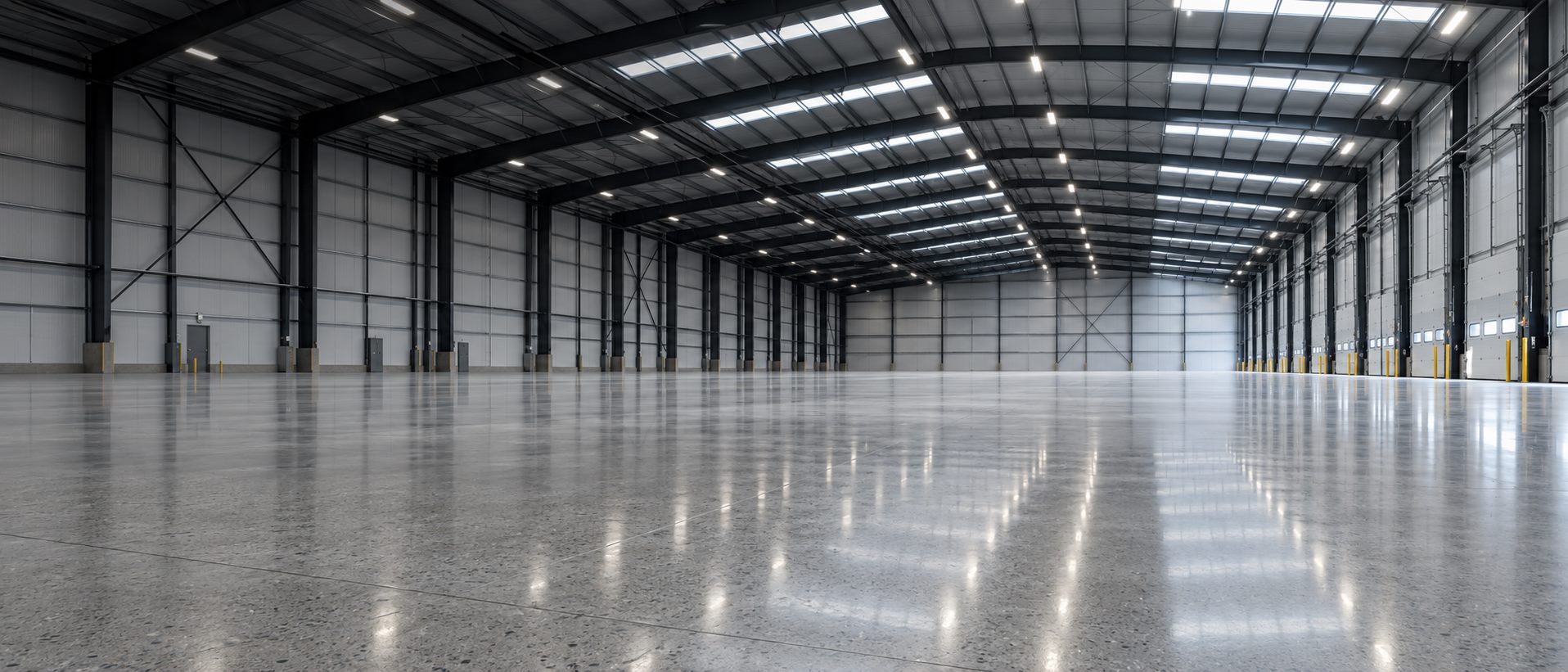
A bonded polished screed overlay can create a new finish where the old concrete is too inconsistent.
Specification framework
Record strength, flatness, cracks, joints, historic coatings, contamination and repairs before selecting the cut.
Agree aggregate exposure and sheen separately, with a representative trial including edges and repaired areas.
Describe wheeled and pedestrian traffic, spill exposure, slip considerations and required cleaning methods.
Allow for dust management, phased access, sample approval, protection and handover cleaning.
Delivery method
Condition, flatness, contamination, repairs, access and programme constraints are recorded.
Appearance, performance and realistic slab variation are agreed before full installation.
Our specialist team manages preparation, finishing, protection and handover.
Specification questions
Some residue can be removed, but staining or contamination may penetrate the slab. A sample area shows what is achievable without promising a uniform result.
No. Densifiers and protective treatments can improve cleanability, but concrete remains a porous material. Spill response and maintenance still matter.
Use the cleaning method and chemistry agreed for the finish; avoid aggressive products and abrasive pads that can damage protection or reduce sheen.
Completed Ecoflor projects
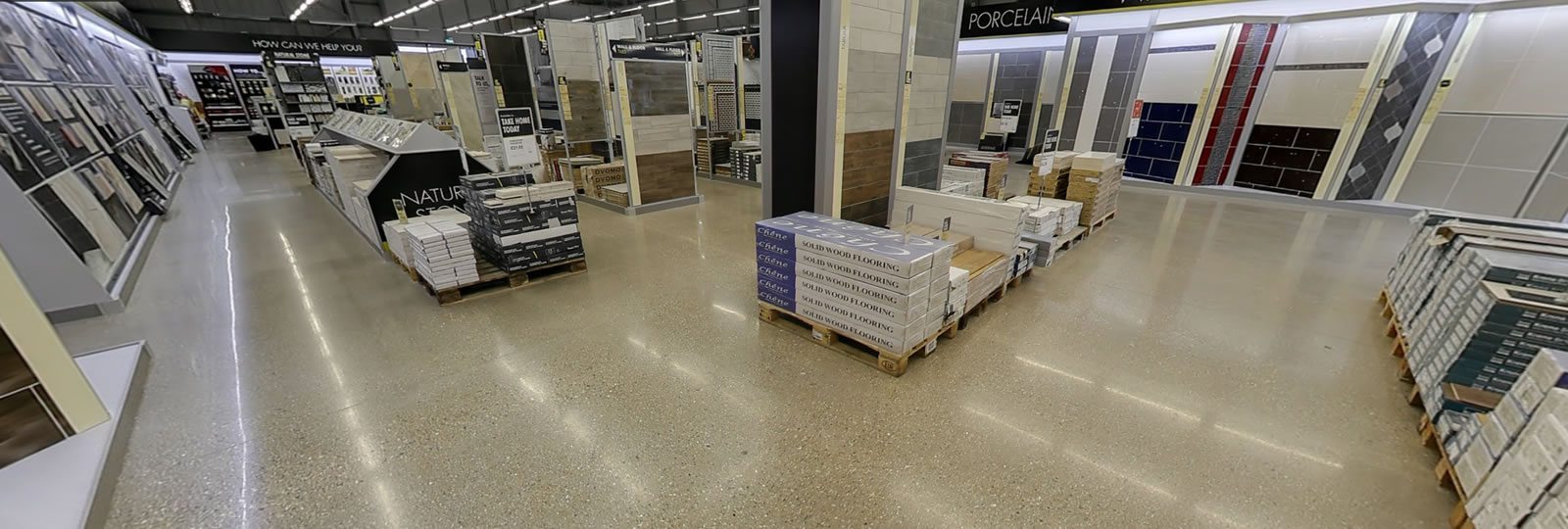
Retail refurbishment · 600 m²
An existing warehouse and office slab prepared and diamond polished for a 600 m² retail store.
View project ↗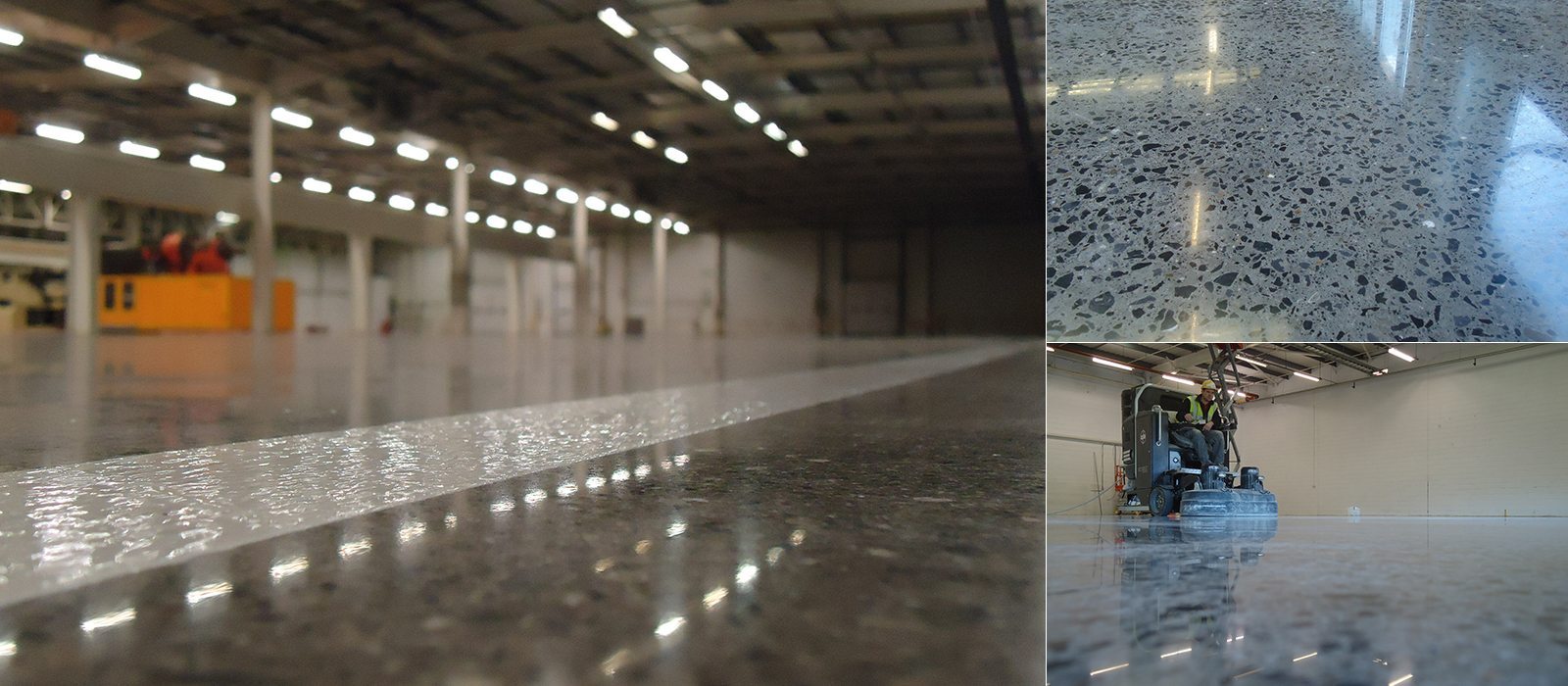
Automotive manufacturing · Nearly 8,000 m²
Removal of historic resin paint and HTC Superfloor polishing across nearly 8,000 m² of an existing industrial building.
View project ↗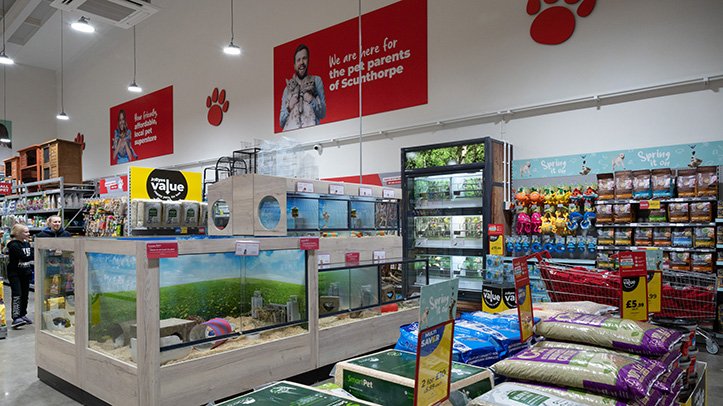
Retail refurbishment · 600 m² · 8 days
Adhesive removal, densification and a seven-stage polishing process for a 600 m² retail floor, completed in eight days.
View project ↗Start a conversation
Send the location, approximate area, construction stage, intended use and programme. Include plans or photographs if available; we can then discuss the most suitable next step.